If your AC is not working in Mobile, AL, common causes include a tripped circuit breaker, a clogged air filter, or a frozen evaporator coil. First, check your thermostat settings and power supply. If these aren't the issue, you may need professional repair for refrigerant leaks or electrical failures.
Why is my AC not working in the Mobile heat?
Living in the Gulf Coast region, especially in a city like Mobile, Alabama, means your air conditioning system is under constant pressure from March until well into November. When your AC is not working, it is more than just an inconvenience; it can quickly become a safety concern as indoor temperatures soar and humidity levels rise. Since 1964, our team has been helping your neighbors navigate these exact situations. The unique climate of the Deep South places a heavy load on mechanical systems. Heat is not the only factor; the moisture in the air forces your system to work double time to remove humidity while cooling the air. If your system was already borderline or lacked a Maintenance Plan , a heatwave in July or August is often the tipping point that causes a full breakdown. Understanding why your air conditioner has stopped is the first step toward restoring comfort to your home.
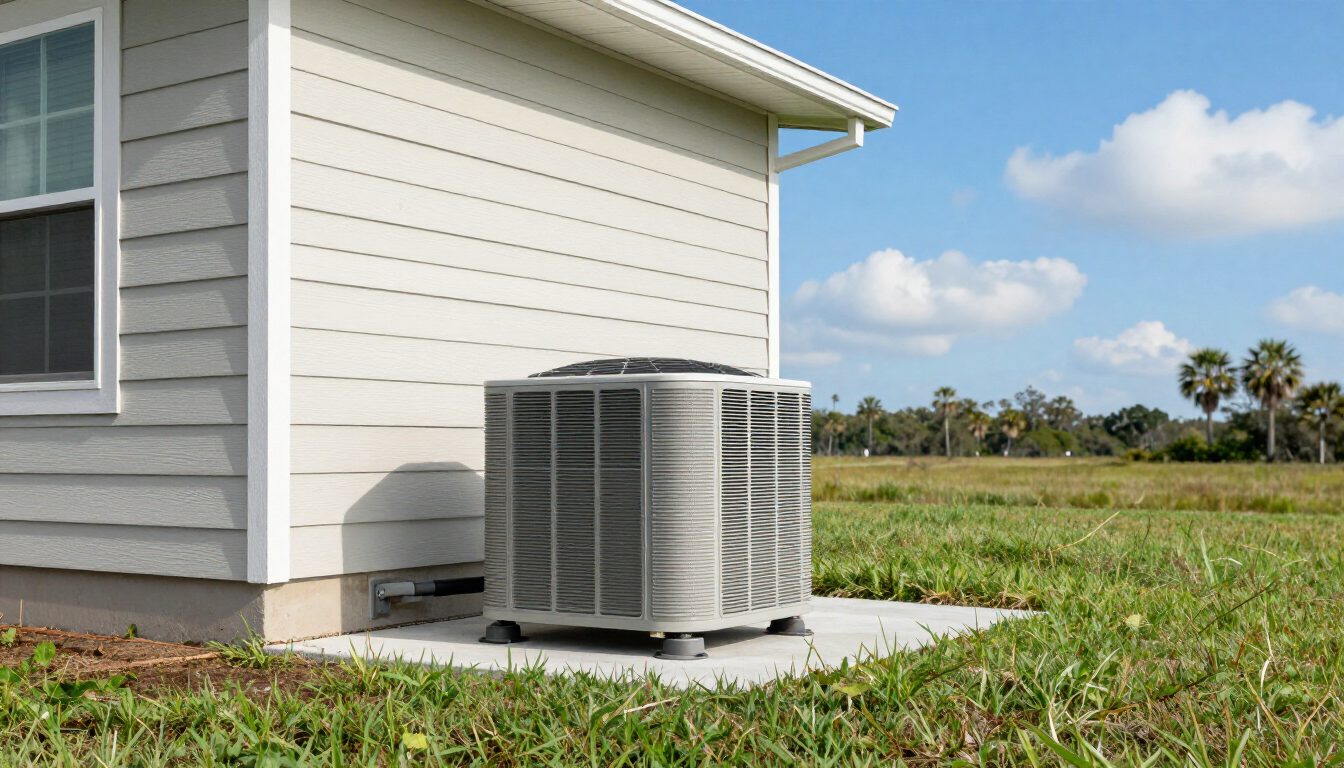
Common Causes for Air Conditioner Failure
Identifying why an air conditioner is not working requires looking at the system as a series of connected components. If one fails, the entire cooling process halts. One of the most common issues we see in the Mobile area involves electrical failures. Capacitors, which provide the initial jolt of energy to start your compressor and fan motors, are notoriously sensitive to the intense heat we experience. When a capacitor fails, your unit may hum but won't start cooling. Another frequent culprit is the condensate drain line. In high-humidity environments, your AC pulls gallons of water from the air every day. If the drain line becomes clogged with algae or debris, a safety switch will trigger, instantly shutting down the unit to prevent water damage inside your home. Refrigerant leaks are also common in older units, especially those exposed to the salt air of the coast, which can cause corrosion in the copper coils.
Can a dirty filter stop my AC from working?
Many homeowners are surprised to learn that a simple, inexpensive air filter can be the reason their AC is not working. Airflow is the lifeblood of your HVAC system. When a filter is clogged with dust, pet dander, or pollen, the blower motor has to work significantly harder to pull air through the restricted surface. This lack of airflow causes the temperature of the evaporator coil to drop below freezing. When this happens, the moisture that normally drains away freezes onto the coil, creating a block of ice. Once the coil is frozen, the system can no longer absorb heat from your home, leading to a situation where the unit runs continuously but blows warm air or stops working entirely. Regularly changing your filter is the easiest way to prevent this common failure. If you suspect a frozen coil, turn the system off and set the fan to 'on' to begin the thawing process while you wait for assistance.
Essential Troubleshooting Steps to Try Today
Before you reach out for Air Conditioning Service , there are a few basic checks you can perform to see if the issue is a quick fix.
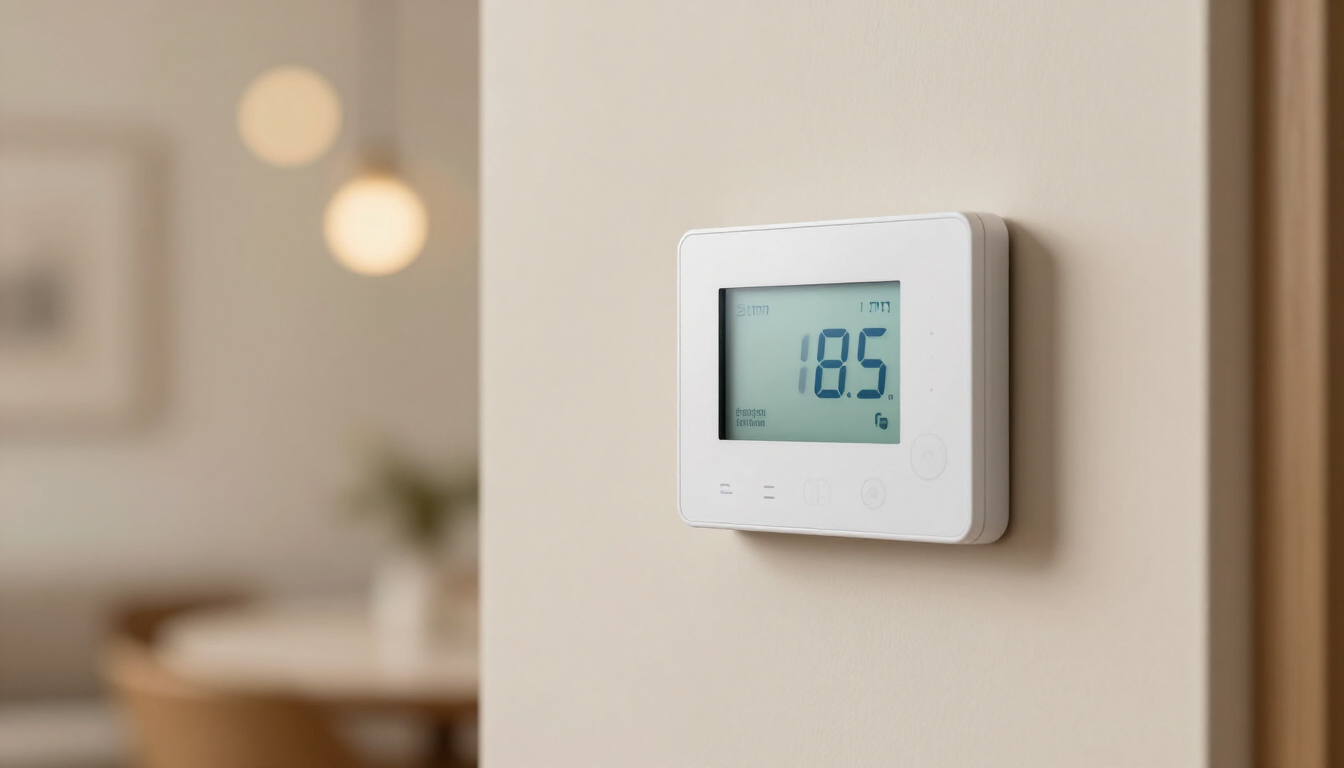
- Check the Thermostat : Ensure it is set to 'Cool' and the temperature is at least five degrees lower than the current room temperature.
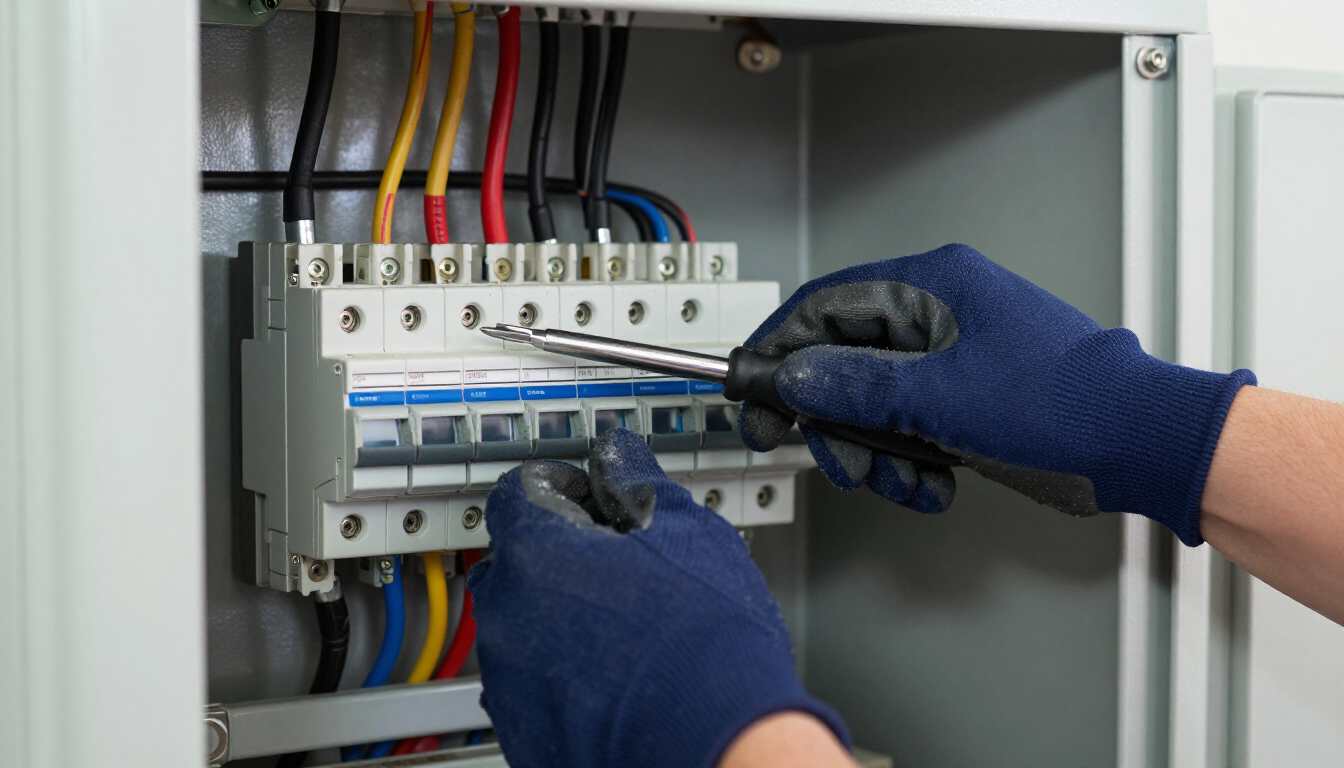
- Inspect the Breaker Panel : HVAC units pull a lot of power; check if the circuit breaker for the indoor or outdoor unit has tripped.
- Examine the Air Filter : If it looks gray or furry, replace it immediately to restore proper airflow.
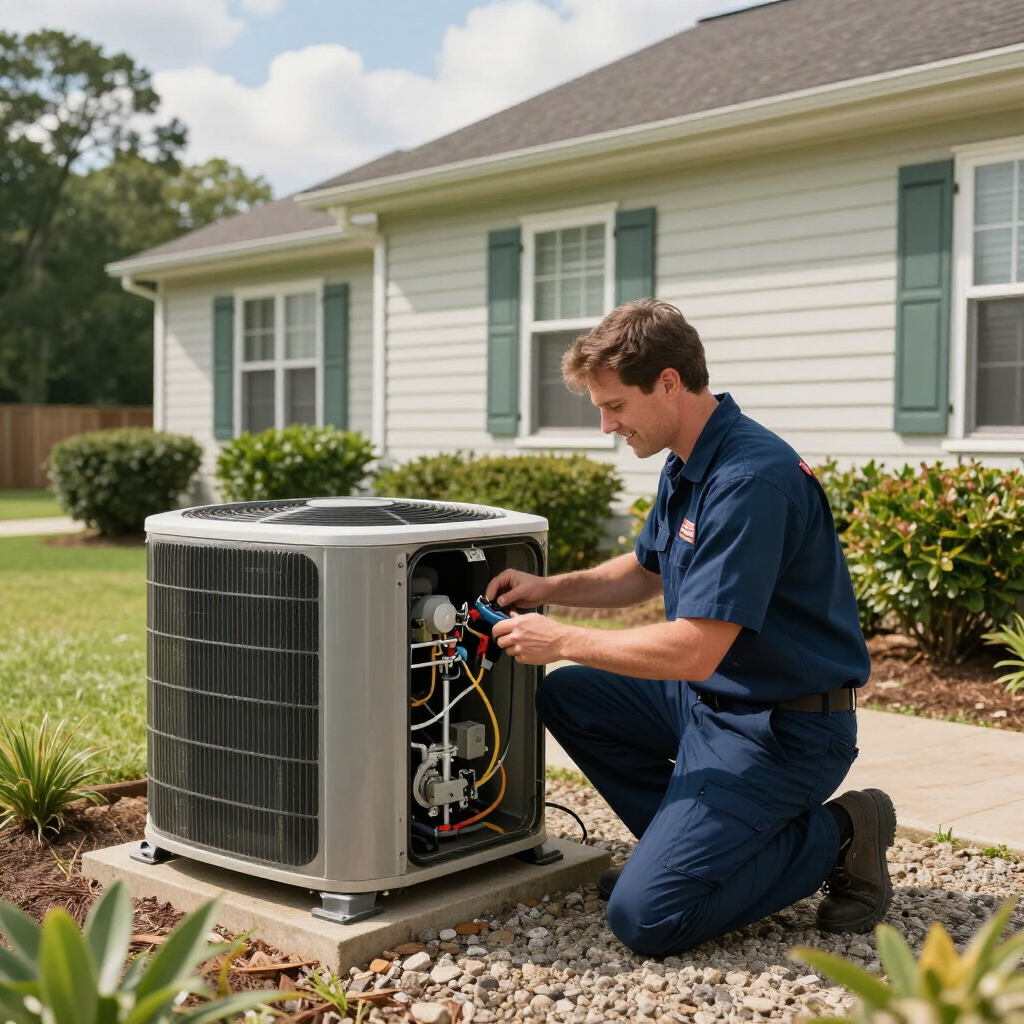
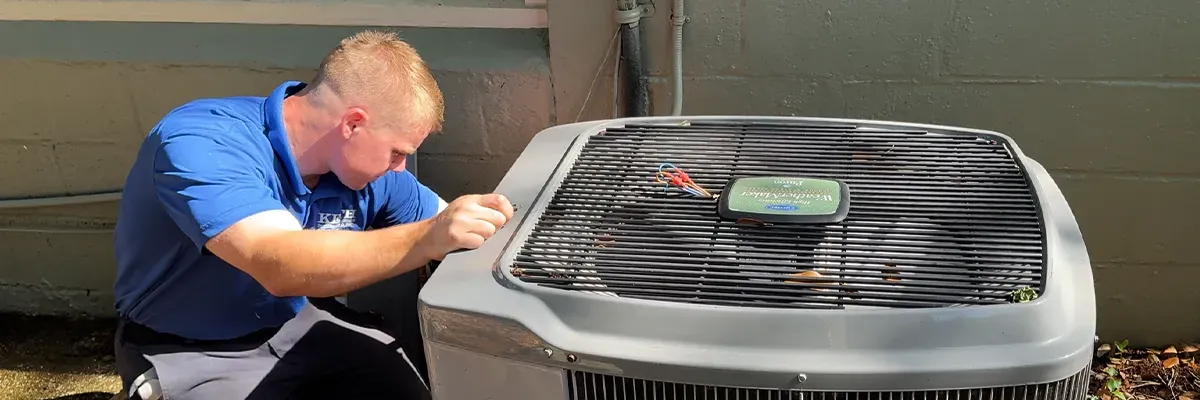
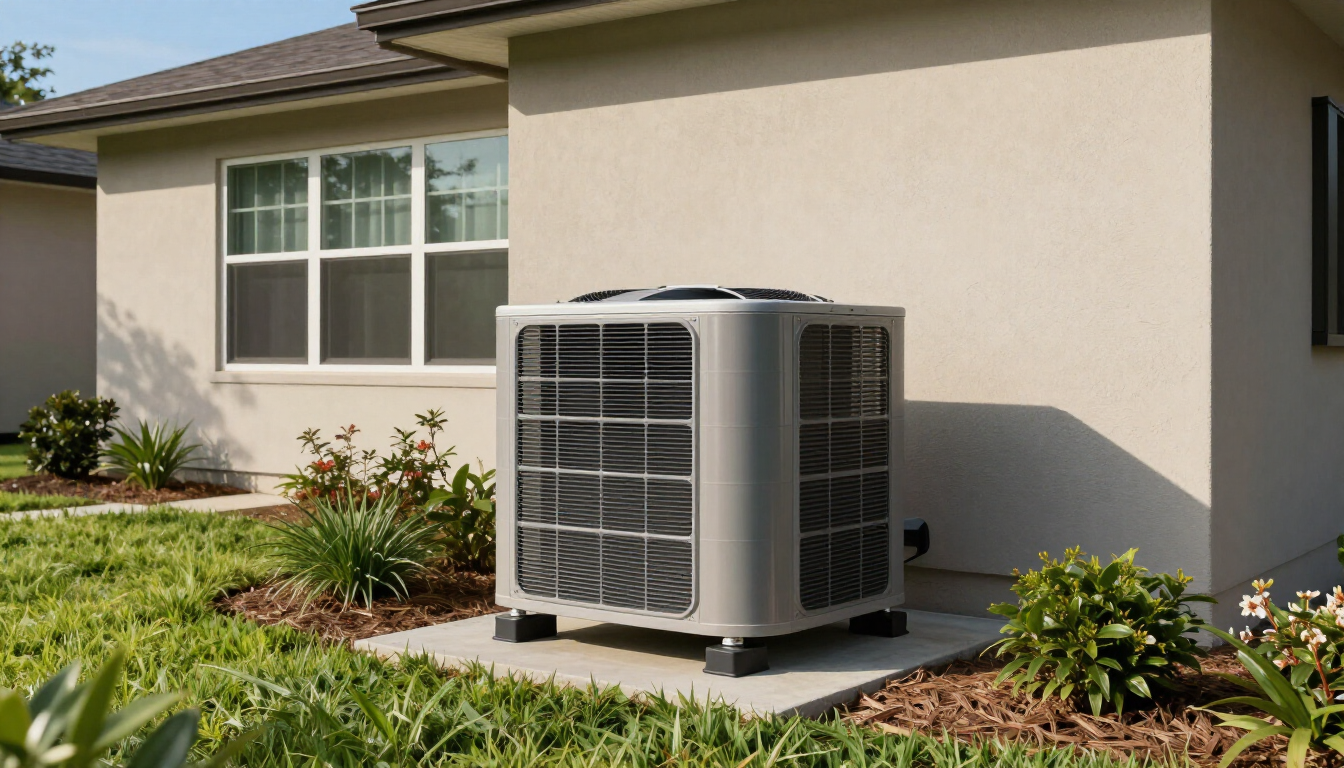
- Look at the Outdoor Unit : Ensure no tall grass, shrubs, or debris are blocking the airflow around the condenser.
- Verify the Power Switch : Many units have a service switch near the indoor air handler that can accidentally be turned off.
How do humidity levels affect my cooling?
In Mobile, the humidity is often just as oppressive as the heat itself. An air conditioner is essentially a giant dehumidifier. As the warm, moist air from your home passes over the cold evaporator coil, the moisture condenses into liquid and drains away. This is known as latent heat removal. If the humidity is exceptionally high, the system spends a vast amount of energy removing water rather than lowering the temperature. This is why on very humid days, your AC might feel like it is not working as efficiently as usual. If your home feels clammy even when the air is cool, you may have an oversized system or poor Indoor Air Quality management. High humidity also places more strain on the drainage system, making it more likely for clogs to occur.
Why Mobile's Climate Demands Professional Care
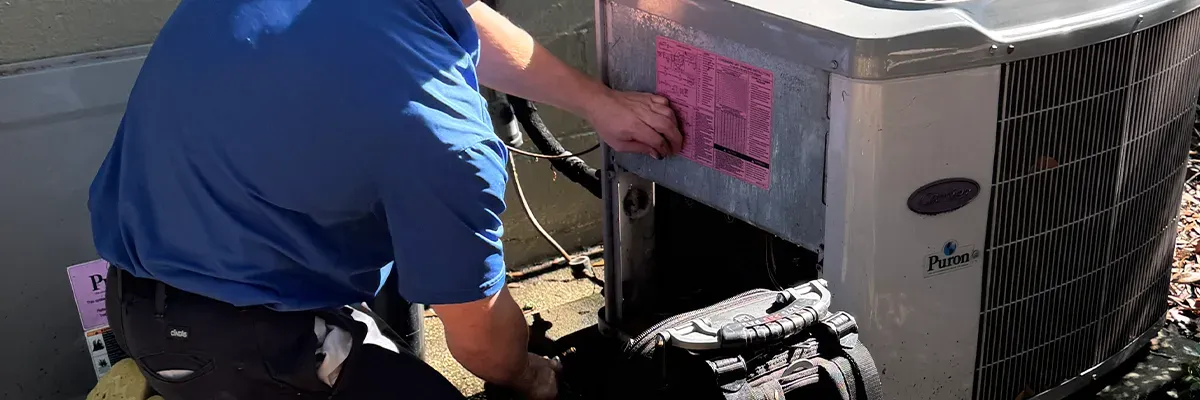
Mobile is unique because of its proximity to the Gulf of Mexico. The salt-laden air is highly corrosive to the delicate aluminum fins and copper tubing found in Carrier AC Systems . Without regular professional maintenance, these components can deteriorate rapidly, leading to leaks and efficiency loss. Our technicians have served this area since 1964 and understand exactly how to treat units in this environment. Professional cleaning removes the salt and grime that a garden hose simply can't reach. Furthermore, a professional can measure the 'superheat' and 'subcooling' levels of your refrigerant to ensure the system is operating at peak efficiency, which saves you money on utility bills and prevents unexpected breakdowns during the hottest weeks of the year.
What are the signs of a failing compressor?
The compressor is often referred to as the heart of your air conditioning system. If it fails, the entire unit is usually not working and may require a total replacement. You might notice signs of a struggling compressor before it completely dies. Listen for loud, rhythmic banging or clanging sounds coming from the outdoor unit, which can indicate loose internal parts. If you notice your lights flicker whenever the AC cycles on, it could be a sign that the compressor is drawing excessive amperage to start. Another warning sign is short-cycling, where the unit turns on and off rapidly without ever completing a full cooling cycle. If you experience these symptoms, it is vital to contact a professional immediately to evaluate whether a repair or a replacement is the most cost-effective path forward for your home's comfort.
If your air conditioner is not working, don't wait for the heat to become unbearable. While simple troubleshooting like checking your thermostat or changing a filter can sometimes solve the problem, many AC issues require the expertise of a licensed technician. In Mobile, Alabama, the combination of extreme heat, high humidity, and corrosive salt air means your HVAC system needs specialized attention to stay running efficiently year-round.
Key Takeaways for Your AC System:
- Check your thermostat and breakers before calling for service.
- Change air filters monthly during peak summer months to ensure airflow.
- Clear debris from your outdoor unit to prevent overheating.
- Schedule annual maintenance to combat salt-air corrosion.
- Monitor for strange noises or rising energy bills as early warning signs.
If you have tried the basic steps and your system still isn't cooling, we are here to help. Schedule An Appointment with our experienced team today to get your home back to the perfect temperature.
Why is my AC not working in Mobile, AL?
Common reasons include a tripped circuit breaker, a dirty air filter, incorrect thermostat settings, frozen evaporator coils, or low refrigerant levels. In Mobile’s hot and humid climate, AC systems work harder, which can increase the likelihood of breakdowns.
What should I check before calling for AC repair?
Start with the basics: check your thermostat settings, make sure your system has power, inspect the circuit breaker, and replace or clean your air filter. These simple troubleshooting steps can often resolve minor AC issues without needing a repair visit.
Why is my AC running but not cooling?
If your AC is running but not cooling, it may be due to restricted airflow from a clogged filter, frozen coils, a refrigerant leak, or a problem with the outdoor unit. If the issue continues after basic troubleshooting, it’s best to call a professional.
When should I call a professional HVAC technician?
You should contact a professional if your AC won’t turn on, is blowing warm air, short cycling, or making unusual noises. Issues involving refrigerant, electrical components, or internal system damage require expert diagnosis and repair.
How can I prevent my AC from breaking down?
Preventative maintenance is key. Change your air filter regularly, keep the outdoor unit clean and clear of debris, and schedule annual HVAC maintenance. Addressing small issues early can help avoid costly repairs and system failures.